Back to top

How NI’s STEM industry is tackling its gender gap

How NI’s STEM industry is tackling its gender gap

Robbie Meredith
BBC News NI education and arts correspondent
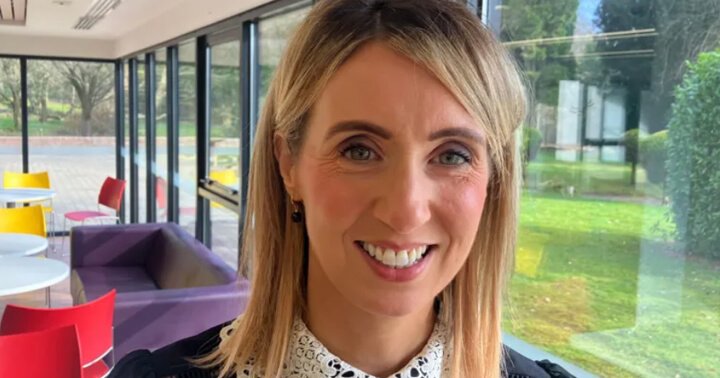
Emma Morris, director of operations for SONI, wants more women in STEM careers
It is literally Emma Morris’ job to keep the lights across Northern Ireland on.As director of operations for SONI, Northern Ireland’s electricity grid operator, she oversees the electricity network. But she wants more young women to follow in her footsteps. Emma Morris is one of the few women in leadership positions in science, technology, engineering and maths (STEM) in Northern Ireland. According to the Department for the Economy’s (DfE) women in STEM taskforce, only one in five STEM jobs are filled by women. Emma Morris took A-levels in maths, physics and chemistry before studying electrical and electronic engineering at Queen’s University Belfast (QUB). “We’ve made real progress in recent years but it’s still very much a male dominated profession,” she told BBC News NI. She said at QUB, while there were “around 120 people in my class, four of us were girls”.

Gender gap in STEM

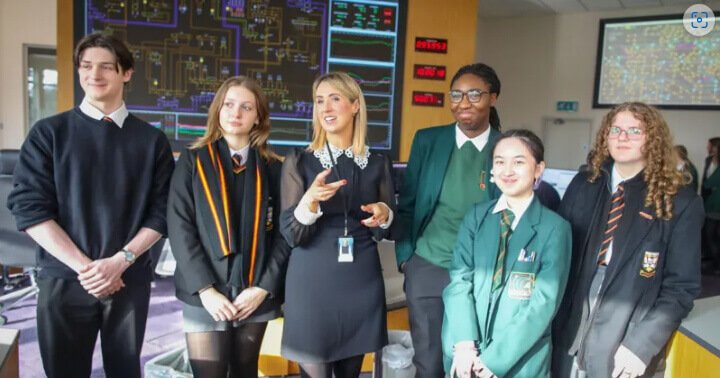
But the “gender gap” between girls and boys studying STEM subjects starts earlier, at school. In 2024, while maths and physics were among the most popular subjects studied at A-level by boys they were not in the top five most popular subjects taken by girls. During Engineers Week, which took place earlier in March, Emma Morris and SONI hosted pupils from Lagan College in Belfast with the aim of encouraging young women to pursue STEM careers. “There maybe is that perception, traditionally, that engineering in particular, and other STEM subjects, are more male-oriented careers,” Emma Morris said. “Engineering is about so much more than that, and I don’t know why females don’t flock to the STEM subjects.”