


Advancing Gender Equality in Innovation
A new handbook showcases practical strategies for embedding gender mainstreaming across Europe’s innovation ecosystem
Innovation thrives when diverse perspectives are represented. Yet women and underrepresented groups continue to face barriers in entrepreneurship, research, leadership, and technology sectors across Europe.
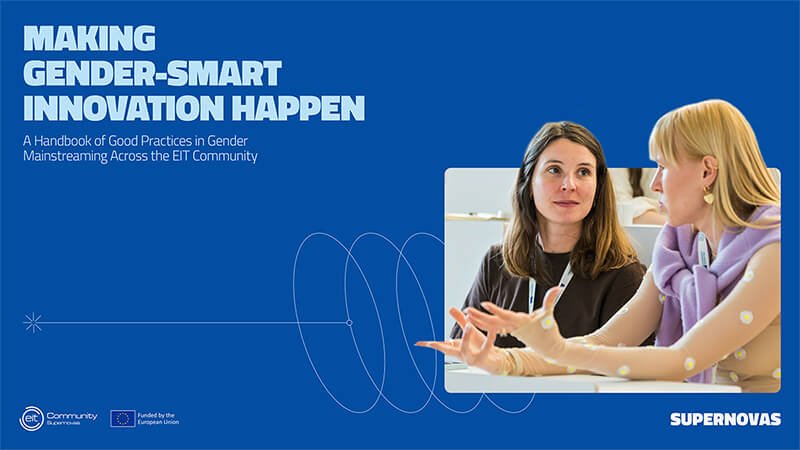
To address these challenges, the European Institute of Innovation and Technology (EIT) has published A Handbook of Good Practices in Gender Mainstreaming Across the EIT Community, a comprehensive resource designed to help organizations integrate gender equality into their structures, policies, and activities. The publication brings together successful initiatives and practical examples from across the EIT Knowledge and Innovation Communities (KICs), demonstrating how gender mainstreaming can be transformed from a policy commitment into measurable action.
Moving Beyond Representation
The handbook emphasizes that gender mainstreaming extends beyond increasing the number of women participating in innovation ecosystems. It involves systematically considering the impact of policies, programs, and decisions on people of different genders at every stage of planning and implementation. This approach seeks to ensure that opportunities, resources, and outcomes are distributed fairly while eliminating structural barriers that may prevent full participation. By embedding gender considerations into organizational processes, institutions can foster more inclusive cultures and improve both social and economic outcomes.
The Business Case for Inclusion – The handbook reinforces growing evidence that diverse teams contribute to stronger innovation performance. Organizations that embrace gender equality often benefit from broader talent pools, increased creativity, improved problem-solving capabilities, and stronger organizational resilience. Inclusive innovation ecosystems are also better positioned to develop products and services that respond to the needs of diverse populations. As Europe seeks to strengthen its global competitiveness, gender equality is increasingly viewed not only as a social objective but also as a strategic advantage.